Beyond research
Most of the stuff on this page is about detours and exploration. The company that came out of one of those detours has its own page — Clusy.
Teaching and mentoring
I spent most of my Berkeley degree on the other side of the classroom. I was a teaching assistant for ENGIN 125 (Ethics, Engineering and Society), and a mentor with Computer Science Mentors for CS 61B (Data Structures and Algorithms) across three terms, first as a junior and then a senior mentor. I also worked as an EECS department private tutor for CS 61B and CS 161 (Computer Security), and tutored CS 161 for the SEED Scholars Honors Program. Teaching the same data-structures material to very different rooms is a large part of why the education-tools research on the research page exists. Education and teaching remains a big passion of mine.
Open source
I also maintain and support a bunch of open-source projects. I contribute to PrairieLearn through interactive graph assessments and a graph constructor that let students work graph problems without paper sketches; a coverage-guided DIMACS SAT fuzzer grew out of poking at solver reliability; a Go file-sharing client explores end-to-end encryption with invites and revocation; and a RISC-V assembly inference engine is the same matrix pipeline, written without a higher-level language to hide behind.
Hackathons
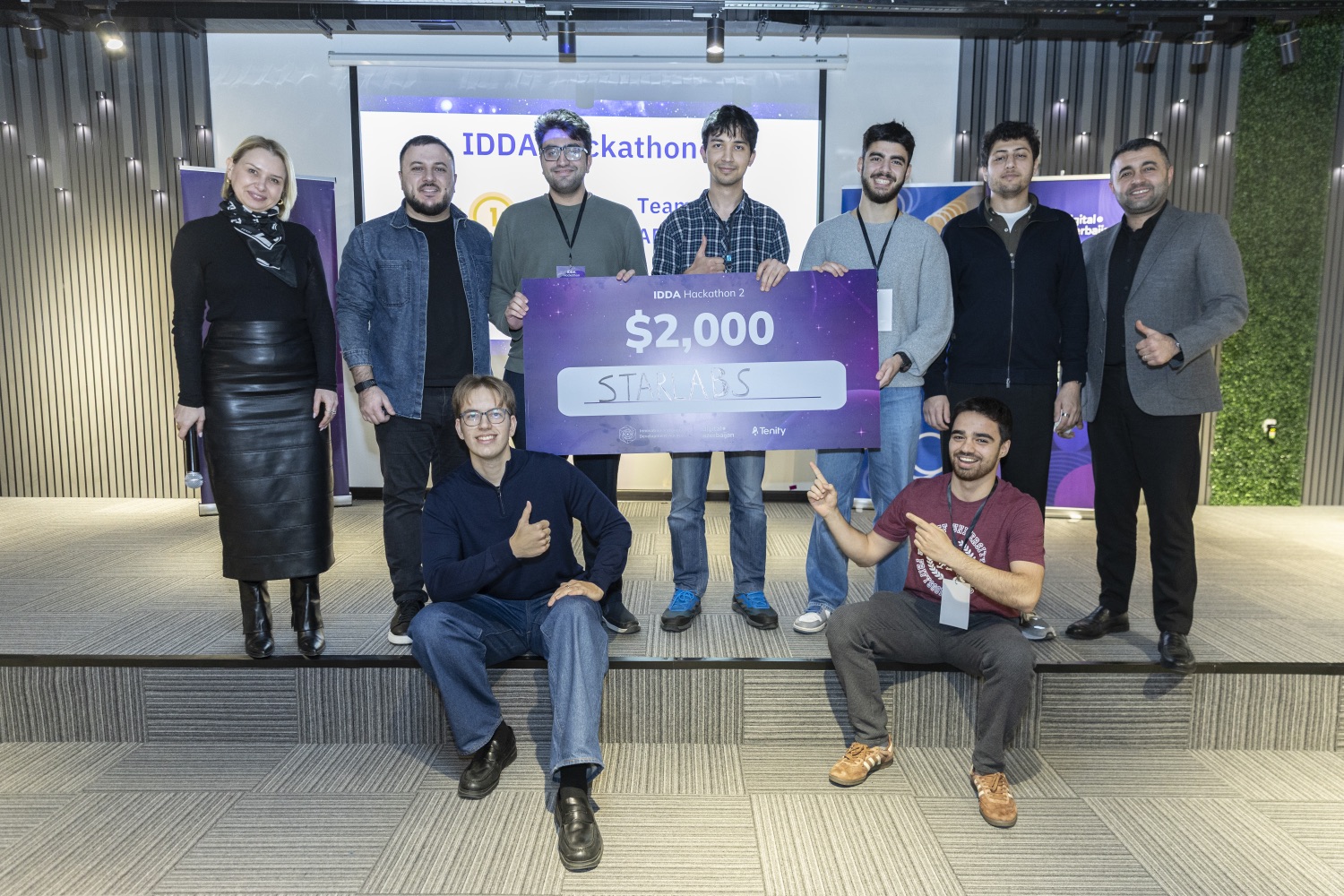
I have competed in more than fifteen hackathons (CalHacks, TreeHacks, and SFHacks among them) and kept going after moving to London. Some of those ended up in awards, such as 1st places at IDDA Hackathon 2 and CulTech, Best Technical Implementation at Imperial's Learning Analytics Hackathon, top 5/155 on the UK Agentic AI Hackathon, and twice 3rd place on Netcraft's and Verno Labs security challenges.
The route here
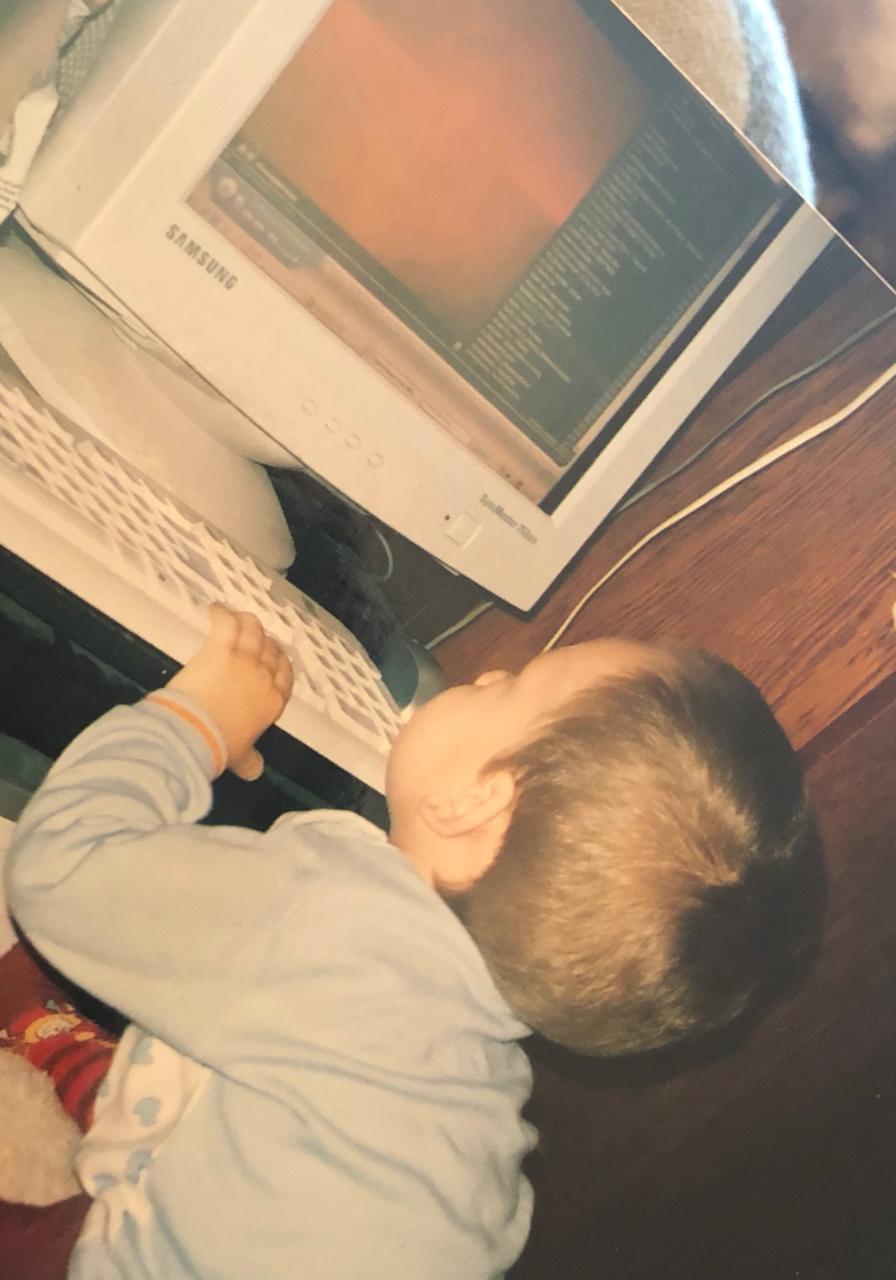
I am from Baku, Azerbaijan. I was fascinated with computers from an early age, even though most of the tech around me was from the ’80s and ’90s. From PlayStation 1 and 2 and Windows 98 machines, I was always curious how these magical systems worked underneath. At around 14, after properly learning English, I discovered Khan Academy, where I first learned to code — thanks to tutorials from Pamela Fox.
After completing my A-levels in Oxford I moved to the Bay Area for Berkeley. It was a big move, with a lot of uncertainty for me. One of my very first classes was CS 61A. On the first day in the lecture hall, the instructor had a very familiar voice, and after a while it kicked in that this was the same Pamela Fox whose videos I had watched online from my Windows XP laptop. Right then and there I knew it would be fine. Thanks to Berkeley, I got to meet (and even take classes from) people I had admired from afar, including David Patterson, Ion Stoica, Matei Zaharia, Paul Vixie, Stuart Russell, Richard Karp, and others.
I then moved to London for master's — and these days I am back and forth between San Francisco and London. That journey across places and cultures has shaped not only how I think as an engineer, but how I see education, global issues, and people.